
The Future of Home Automation: Smart Devices You Need Now
As we step into a new era of technology, the landscape of home automation is…
As we step into a new era of technology, the landscape of home automation is evolving at an unprecedented pace. The integration of smart devices into our daily lives is not just a trend; it is a fundamental shift in how we interact with our homes. In the upcoming year, we can expect to see remarkable innovations that will redefine convenience, security, and energy efficiency in our living spaces. This article explores the future of home automation, focusing on the smart devices that will become essential in the near future.
Rise of AI-Powered Home Assistants
Artificial intelligence is set to revolutionize home automation, with AI-powered home assistants leading the charge. These devices will not only respond to voice commands but will also learn from user behavior, adapting to preferences over time. Imagine a home assistant that can anticipate your needs, adjusting the thermostat before you even enter the room or suggesting recipes based on the ingredients you have on hand. This level of personalization will enhance user experience, making smart homes more intuitive and user-friendly.
In the next twelve months, we will see advancements in natural language processing and machine learning that will enable these assistants to understand context better. This means that instead of simply executing commands, they will engage in meaningful conversations, providing recommendations and insights that enhance daily living. The integration of AI with other smart devices will create a seamless ecosystem, where everything from lighting to security systems works in harmony, driven by intelligent algorithms.
Smart Energy Management Systems
Energy efficiency is becoming a top priority for homeowners, and smart energy management systems are at the forefront of this movement. These systems utilize smart meters and connected devices to monitor energy consumption in real-time, allowing users to make informed decisions about their energy use. In the coming year, we can expect to see more sophisticated solutions that not only track usage but also provide actionable insights to reduce waste and lower utility bills.
Moreover, the integration of renewable energy sources, such as solar panels, with smart energy management systems will become increasingly common. Homeowners will be able to optimize their energy consumption by storing excess energy generated during the day for use at night. This not only contributes to sustainability but also empowers homeowners to take control of their energy costs, making smart energy management a crucial aspect of modern home automation.
Enhanced Home Security Solutions
As technology advances, so do the capabilities of home security systems. The future of home security lies in smart devices that offer real-time monitoring and advanced threat detection. In the next year, we will see an increase in the adoption of smart cameras, doorbells, and locks that utilize facial recognition and motion detection technologies. These devices will not only alert homeowners to potential intrusions but will also provide valuable data that can be used to enhance security measures.
Additionally, the integration of smart security systems with AI will enable predictive analytics, allowing homeowners to identify patterns and potential vulnerabilities in their security setup. This proactive approach to home security will empower users to take preventive measures, ensuring their homes are safer than ever. With the rise of remote monitoring capabilities, homeowners will have peace of mind knowing they can keep an eye on their property from anywhere in the world.
Smart Appliances for a Connected Kitchen
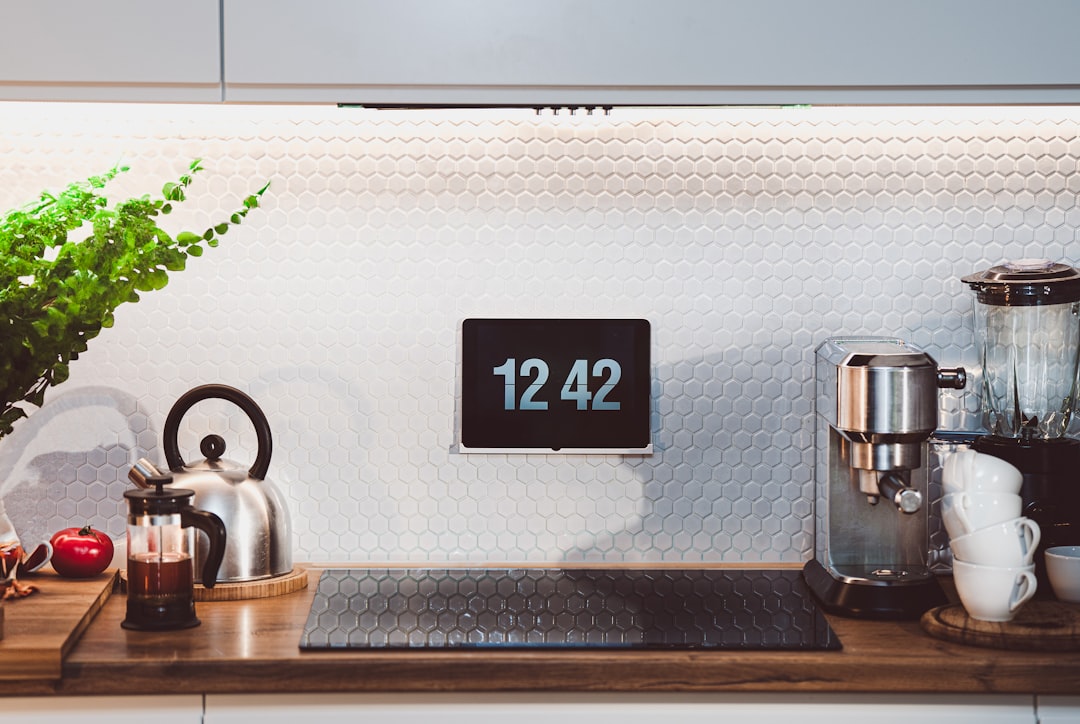
The kitchen is often considered the heart of the home, and smart appliances are transforming how we cook and entertain. In the upcoming year, we can expect to see a surge in smart refrigerators, ovens, and dishwashers that offer connectivity and automation. These appliances will not only streamline cooking processes but will also provide users with valuable insights into their food inventory, helping to reduce waste and promote healthier eating habits.
For instance, imagine a refrigerator that can track expiration dates and suggest recipes based on what you have available. Smart ovens will allow users to control cooking settings remotely, ensuring meals are perfectly prepared even when you’re not in the kitchen. As these appliances become more integrated with home automation systems, the kitchen will evolve into a hub of efficiency and innovation, making cooking a more enjoyable experience.
The Future is Bright for Home Automation
As we look ahead, the future of home automation is filled with exciting possibilities. The convergence of AI, energy management, security, and smart appliances will create a holistic living experience that prioritizes convenience, safety, and sustainability. Homeowners will have access to a suite of tools that not only enhance their quality of life but also contribute to a more sustainable future.
In conclusion, as we embrace the innovations of the upcoming year, it is clear that smart devices will play a pivotal role in shaping our homes. The integration of these technologies will not only redefine how we interact with our living spaces but will also empower us to make smarter choices for our families and the environment. The future of home automation is not just about convenience; it is about creating a smarter, more connected world.